Area Real Estate News & Market Trends

You’ll find our blog to be a wealth of information, covering everything from local market statistics and home values to community happenings. That’s because we care about the community and want to help you find your place in it. Please reach out if you have any questions at all. We’d love to talk with you!

Nov. 12, 2026

Renegade Craft Fair San Francisco Winter 2026: What to Know

Looking for a special holiday gift in San Francisco? More than 250 artists are bringing handmade creations to Fort Mason this November 14–15.

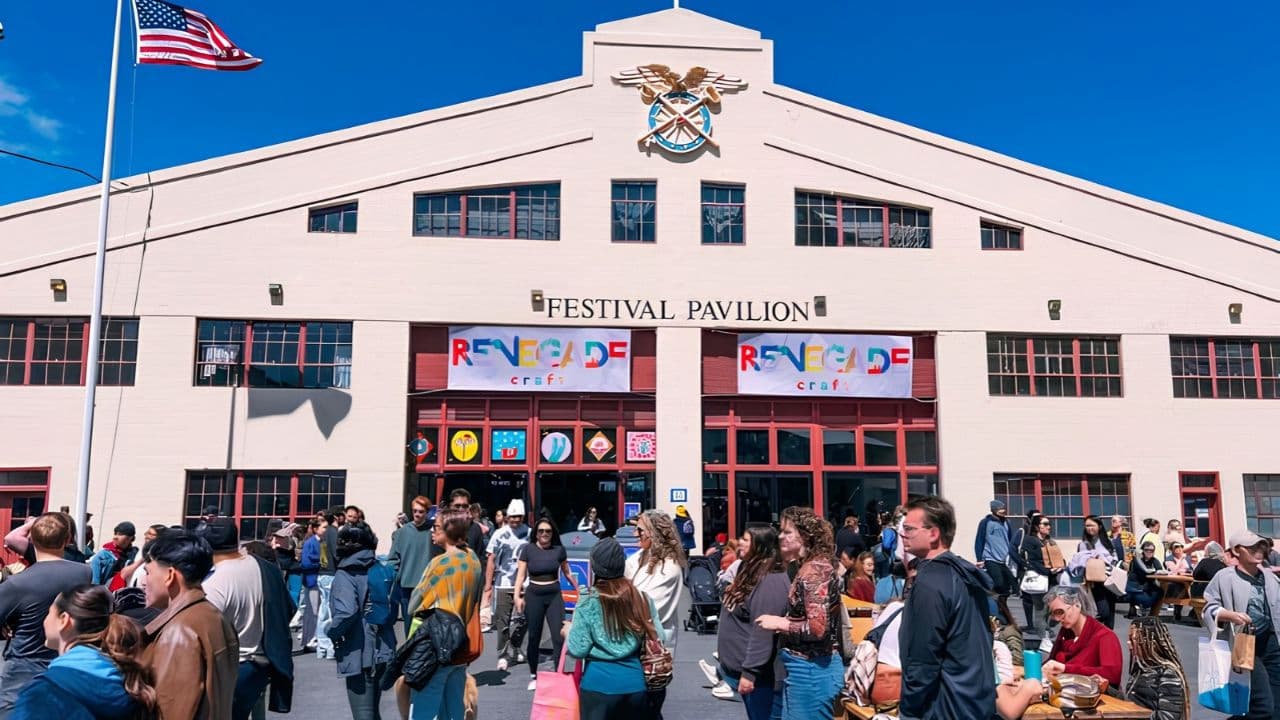
Renegade Craft Fair San Francisco entrance at Fort Mason Festival Pavilion with visitors.

The Renegade Craft Fair San Francisco Winter 2026 event offers two days of shopping, original artwork, and creative discoveries. It's a chance to support small businesses while finding something different for the holidays.

Love the waterfront location? Browse homes for sale in the Marina and see what's available near Fort Mason.

Renegade Craft Fair 2026: Dates, Hours & Admission

Detail Information
Dates Saturday–Sunday, November 14–15, 2026
Hours 11 a.m.–5 p.m. both days
Venue Fort Mason Center Festival Pavilion
Address 2 Marina Blvd., San Francisco, CA 94123
Admission Free; suggested $5 contribution via QR code onsite

The fair takes place indoors, with outdoor food trucks and other features. It runs rain or shine.

What Can You Find at the Fair?

Expect handmade gifts, ceramics, jewelry, artwork, clothing, and home accessories from more than 250 curated artists.

It's an opportunity to meet new makers, shop beyond the usual department stores, and find decorative pieces with real character for your home.

Planning Your Visit to Fort Mason

Organizers note that Marina Boulevard will be closed on Sunday, November 15, from 6:30 to 11:30 a.m. Visitors will be directed to another campus entrance, so allow extra time. They also encourage carpooling, rideshare, biking, or public transportation.

While you’re there, take a walk around Fort Mason, part of the Golden Gate National Recreation Area. Its paths offer views of San Francisco Bay, the Golden Gate Bridge, and the Marin Headlands.

For last-minute updates, check the Renegade Craft Fair event page.

Beyond the Fair: Exploring the Marina District

Fort Mason is more than a weekend event destination. It's also one of the landmarks that makes the Marina District worth exploring.

The neighborhood pairs Bay views with shops, cafés, and historic homes. Rebecca's Marina neighborhood guide offers a closer look at daily life here.

For a broader perspective, see how San Francisco's waterfront neighborhoods compare.

Could the Marina District Be Your Next Home?

If you can picture yourself living near the waterfront, Rebecca White can help you explore your options and find the place that is exactly right for what comes next.

Tell Rebecca What You're Looking For

Nov. 6, 2026

Prop 19: Sell First or Buy First When Downsizing in San Francisco?

Selling your San Francisco home? Buying your next home first could cost you thousands in property taxes—or put your Prop 19 tax-base transfer at risk.

rop 19 sell first or buy first decision between a San Francisco house and condo

The order of your sale and purchase matters more than you might think. Before you list or make an offer, see how each choice affects your taxes, cash flow, and moving timeline.

Not sure whether to sell or buy first? Explore Your Downsizing Options With Rebecca before making your next move.

If you’re planning to downsize, deciding whether to sell first or buy first under Prop 19 is one of your biggest choices.

Under California's Proposition 19, eligible homeowners aged 55 and older may transfer their property tax base to a replacement home. However, buying before selling comes with important deadlines and potential costs.

Can You Buy Before Selling Under Prop 19?

Yes. Under Prop 19, eligible homeowners can buy their next primary home up to two years before selling their current one. The transfer takes effect on whichever comes later: the sale or the purchase.

But buying first carries two key risks:

  • The Prop 19 two-year rule: If you buy first and don’t sell within two years, you lose eligibility for that tax-base transfer.

  • Full-value taxes: Until your old home sells, your new home is taxed at its full market value. You won’t get those earlier taxes back through Prop 19.

To qualify by age, you must be at least 55 when your old home sells. Your old home must also be your main home. It must be eligible for the homeowners’ exemption when you sell it or within two years of buying your new home.

These rules matter most if you’ve owned your home for decades and have a low tax base. For eligible SF homeowners aged 55 and older, the property tax base transfer can make a move more affordable.

Option 1: Sell Your Home First

Selling first gives you a clear picture of your finances. Once your sale closes, you know what you have left after selling costs and any mortgage payoff. That helps you set a realistic budget for your next home.

  • Benefit: You may avoid paying for two homes at once.

  • Tradeoff: You need a place to live while you search.

  • Ways to bridge the gap: A short-term rental, storage, or a negotiated rent-back. Each option has costs and depends on the details of your sale.

Selling first suits owners who want to know their numbers before they buy.

Option 2: Buy Your Next Home First

Buying first lets you secure the home you want before you sell. That helps if you want an elevator condo, a certain floor plan, or a single-level home. You may also have time to move your things before you get your house ready to sell.

If fewer stairs and easier upkeep are priorities, explore Single-Level Homes and Downsizing.

But buying first can mean paying for two homes at once:

  • Overlapping costs: You may owe the mortgage, insurance, utilities, upkeep, and property taxes on both homes.

  • A slower sale: Your budget needs room in case your home takes longer to sell than expected.

  • The two-year deadline: If the sale takes more than two years, you lose the Prop 19 transfer for that replacement home.

How Timing Changes Your Taxable Value

Prop 19 sets a value limit based on when you buy your new home. The limit shows how much more your new home can be worth before extra value is added to your transferred tax base.

When you buy Value limit
Before selling your old home 100% of the old home’s full cash value
Within the first year after selling 105%
In the second year after selling 110%

The assessor sets these full cash values. They may not match your sale and purchase prices.

A San Francisco Example

Say your current home is worth $2 million. Its taxable value, called the factored base-year value, is $450,000. You want to buy a condo worth $2.08 million.

Scenario A: Buy Before Selling

The limit is 100% of your home’s value, or $2 million. The condo is $80,000 over that limit, so that $80,000 is added to your transferred base. Your new taxable value is about $530,000, assuming no other adjustments.

Scenario B: Buy Within One Year After Selling

The limit rises to 105%, or $2.1 million. The $2.08 million condo is under that limit, so nothing is added under the value comparison. Your taxable value is about $450,000, plus any inflation adjustment that applies between the two closings.

This doesn’t mean you pay zero property tax. It means no extra value is added to your transferred base under this limit.

What Is the Annual Property Tax Difference?

This example uses an assumed tax rate of 1.2% a year. It leaves out inflation adjustments and other property tax charges.

Property Tax Comparison Buy first Sell first, then buy within 1 year
Estimated taxable value $530,000 $450,000
Estimated annual property tax $6,360 $5,400
Annual difference +$960 —

This example uses an assumed annual property tax rate of 1.2%, rounded from San Francisco’s FY 2026–27 rate of approximately 1.18%. It excludes inflation adjustments, special assessments, and other property tax charges.

What Could Buying First Cost During the Transition?

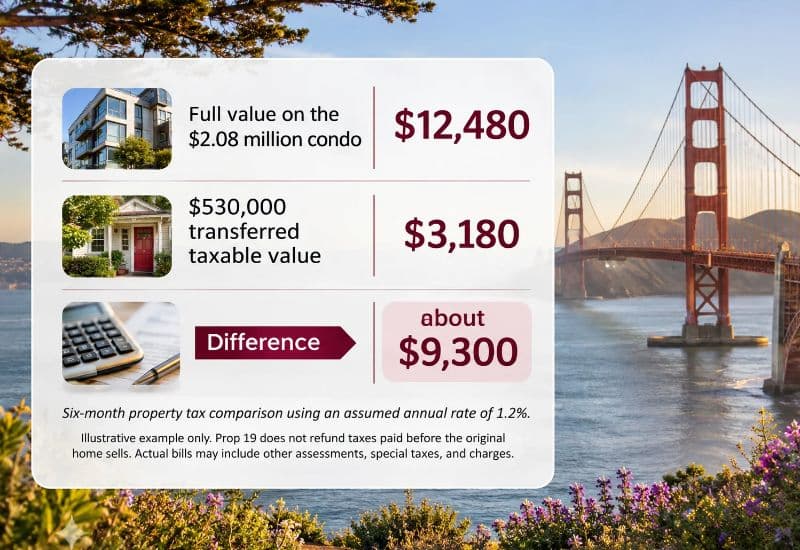
Now say you buy the $2.08 million condo six months before you sell your house. At an assumed 1.2% rate, here is how six months of property tax compares:

Prop 19 property tax comparison showing a $9,300 difference.

Prop 19 won’t refund the taxes you pay before your old home sells. These are simple estimates, and actual bills may include other assessments, special taxes, and charges. You may also pay mortgage costs, insurance, HOA dues, utilities, and upkeep on both homes.

For some owners, the ease of buying first is worth the extra cost. Others may prefer to sell first and free up their equity. The key question is whether these costs work within your financial plan.

Could a Sale Contingency Help?

A third option is to buy your next home with a sale contingency. This makes your purchase depend on selling your current home, under the terms you negotiate. It can lower some risks, but sellers don’t have to accept these offers.

A longer closing or a negotiated rent-back could also ease the move. Whether these work depends on the home, the market, and what the other party will accept. Talk through your options with your agent and lender before you make an offer.

Questions to Answer Before Listing

Before you choose an order, talk with the people who will help with your move.

Ask your county assessor or property tax adviser:

  • Is my current home eligible for the homeowners’ exemption?

  • How would buying first change my transferred taxable value?

  • Which dates and documents decide whether I qualify?

Ask your lender or financial adviser:

  • Can I finance my next home before I sell?

  • How long could I afford to carry two homes?

  • How much cash should I keep in reserve if my home takes longer to sell?

Ask your real estate agent:

  • Could a sale contingency, rent-back, or longer closing help with both transactions?

  • How long might my home take to sell?

  • How should we plan the purchase and sale dates?

Also, think about which features matter most in your next home. These talks help you weigh costs and benefits before you buy.

Wondering how these costs might affect your plans? Talk Through Your Next Move With Rebecca and explore your options.

When and Where Do You File Your Prop 19 Claim?

The tax-base transfer is not automatic. If you’re claiming the age-55 benefit, you’ll generally use Form BOE-19-B.

  • Where: File with the assessor in the county where your new home is located.

  • When: After both transactions close and you’ve moved in.

  • Deadline: Within three years of buying your new home or completing its qualifying construction. A timely claim allows full relief back to the transfer date.

  • Late claims: If you file after three years, you may still qualify for future tax relief, but not the same retroactive benefit. For an approved late claim, relief begins on the lien date of the assessment year in which you file.

If your new home is in San Francisco, contact the San Francisco Assessor-Recorder. Check the official California State Board of Equalization Proposition 19 guidance for current rules.

Which Option Makes More Sense for Your Next Move?

Selling first gives you more certainty about your equity and budget. Buying first gives you more control over which home you get and when you move. Neither choice is right for everyone.

For homeowners planning to downsize, the goal is to balance taxes, timing, housing needs, and long-term costs. With San Francisco rightsizing, your next home should support your plans without creating financial pressure.

Getting your home ready to sell? Read San Francisco Retirement Downsizing.

Discuss Your Downsizing Plan With Rebecca

Your next move should start with clear choices, not pressure to buy or sell before you’re ready. Rebecca White helps longtime homeowners weigh their selling options, home equity, and priorities for their next home.

Ready to explore what comes next? Tell Rebecca about your plans by calling her directly at (415) 412-1977. Take the first step toward finding the place that is exactly right for you.

This article provides general information, not legal, tax, or financial advice. Talk with your county assessor and qualified advisers about your situation.

Nov. 3, 2026

Union Square Ice Rink 2026–27: Dates, Tickets & Local Tips

Thinking about going to the Union Square ice rink? Before you book, find out what your ticket includes and how weather could affect your session.

This guide covers the 2026–27 dates, prices, rentals, and special events. Choose your skating session and know what to expect before arriving.

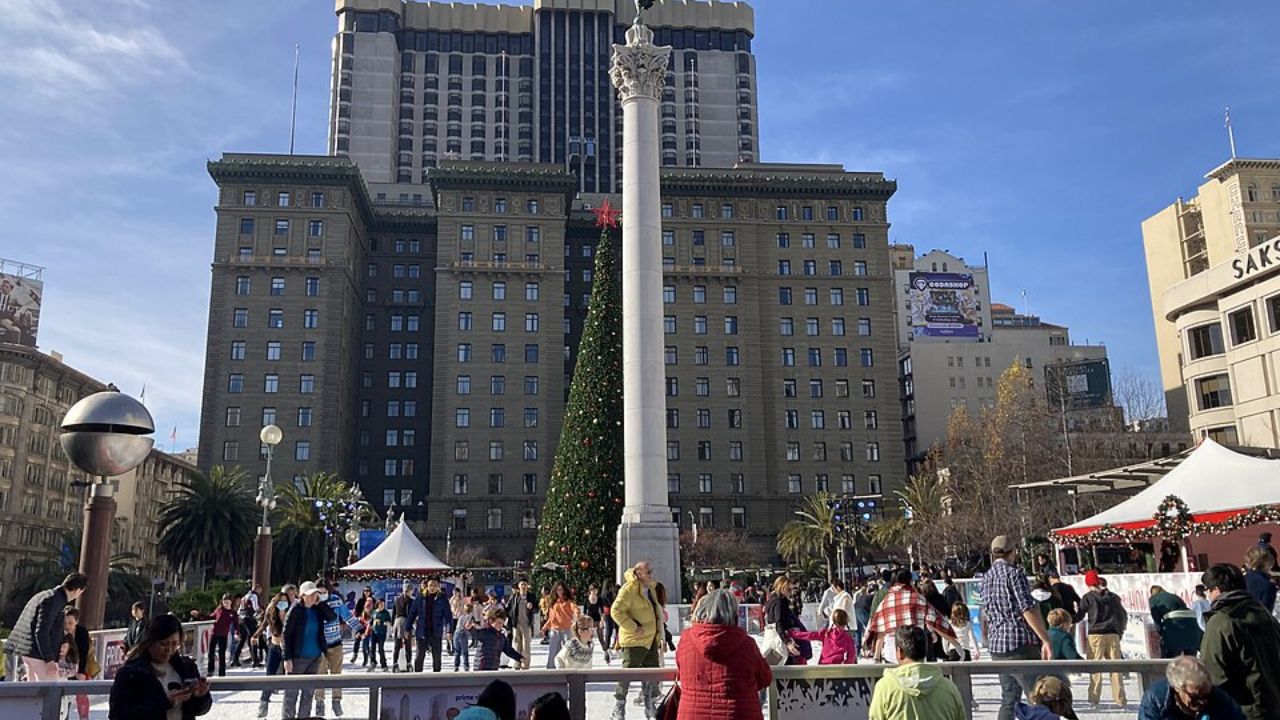
Skaters at the Union Square ice rink in San Francisco.

The season runs November 4, 2026–January 18, 2027. General admission is $22, including skate rental. One-hour sessions begin every 90 minutes.

Could downtown become part of your everyday life?

Explore Rebecca’s Living in Downtown guide, or contact Rebecca White about your next home.


Event Date Time Listed price
Flashback Fridays: 1980s music November 27 and December 18, 2026; January 15, 2027 7 p.m. and 8:30 p.m. sessions Check booking
Drag on Ice December 3, 2026 6:30–8 p.m. $35 per person
Silent Skate December 10, 2026 7 p.m. and 8:30 p.m. sessions $35 per person
Polar Bear Skate January 1, 2027 2:30–3:30 p.m. $30 per person

All times are Pacific. Special events and private bookings can affect regular sessions, so check the official visitor information before booking.

Union Square Ice Rink Tickets & Rentals

Purchase tickets through the Buy Tickets button on the official rink website. Check your preferred date and session before heading downtown.

Admission includes skate rental. Figure and hockey skates range from toddler size 8 to adult size 15.

Bringing your own skates? Tell staff upon arrival to receive $5 back on your original payment card. The organizer lists these additional items in its admission and rental information:

  • Locker rental: $5

  • Skate Helper rental: $6

  • Gloves: $5

  • Socks: $5

Planning Your Visit

Wear layers, and consider bringing gloves and a hat. Temperatures can feel different depending on the weather, crowd, and how much you move.

Restrooms are in the Union Square Parking Garage. Skates cannot be worn outside the rink, so plan a restroom stop before putting them on.

Prefer classical music while you skate? Sunday sessions at 10 a.m. and 11:30 a.m. feature Classical California 90.3 FM. See the official events calendar for details.

What Happens if It Rains?

If bad weather or the chance of it cancels your session, your tickets are still good. You can use them for another session until January 18, 2027.

Rescheduling happens online. Open your confirmation email. Then, select “Change booking” to pick an available replacement session.

Read the organizer’s full rain policy before making plans. The policy covers weather-related interruptions. It isn’t a general refund promise.

Special Events to Consider

Choose a session around the music or activity you enjoy. The organizer lists these events for the 2026–27 season:

Detail 2026–27 season
Season November 4, 2026–January 18, 2027
Daily hours 10 a.m.–11 p.m.
December 31 hours Closes at 9:30 p.m.
Sessions 60 minutes, starting every 90 minutes
General admission $22, including skate rental
Children 8 and under $17, including skate rental
Location 333 Post Street, near Geary and Powell streets

Wednesday sessions at 8:30 p.m. also feature themes, including:

  • November 11: Onesies Wednesday

  • November 18: The Rhinestone Rink

  • November 25: Friendsgiving

  • December 2: White Out

  • December 9: Holiday Movie Music Night

  • December 16: Holidays Around the World

  • December 23: Naughty or N-Ice

  • January 13: Rivals on Ice

Consult the official special events calendar for descriptions, booking options, and schedule changes. Confirm the price for your selected event rather than assuming general admission applies.

Make an Afternoon of It

Leave a little space around your reservation. A meal before or after skating can turn one session into a longer downtown outing.

The organizer recommends John’s Grill, its sponsoring restaurant. It’s nearby and offers a dining option. See the official dining information and check restaurant availability separately.

Looking for another neighborhood to explore on a different afternoon?

Read Rebecca’s Hayes Valley guide. Plan it as a separate destination rather than assuming it is next to the rink.

Could Downtown Be Your Next Neighborhood?

An afternoon out can help you notice what you want nearby in everyday life. Think about how dining, shopping, street activity, and errands affect your daily routine.

If you are considering a move, Rebecca’s Living in Downtown guide is a place to begin. Rebecca can help you compare housing options and the details that matter to you.

Frequently Asked Questions

Can I bring my own skates?

Yes. Tell staff when you arrive, and the organizer will refund $5 to the card used for your original order.

Is there help for beginners?

Skate Helpers are available for beginning skaters 48 inches tall or shorter. Users must stand independently and push the Helper without help. Only one skater may use each Helper.

Rentals are first come, first served. Review the official rental information for requirements.

Are free lessons available?

Learn to Skate lessons run Saturdays and Sundays from 8–9 a.m. They include skate rental and require advance selection through a lottery.

Space is limited to 50 participants per day. The December–January lottery closes on November 23, 2026. You can find registration information on the official website.

Who can answer accessibility questions?

Contact the rink directly at 415.295.1588 to discuss your needs before booking. Ask about any equipment, help, or access arrangements you may need.

Who handles ticket questions?

The organizer lists customer service at 424.625.3697, from 7 a.m. to midnight. Find current contact information on the rink’s website.

What Comes Next

Enjoying the city can also help you think about where you want to live. Keep track of the places and everyday conveniences you would like closer to home.

If you’re exploring downtown or another neighborhood, Rebecca can help you compare your options. Together, you can find the place that is exactly right for what comes next.

Contact Rebecca White About Living in San Francisco

Oct. 16, 2026

Best Neighborhoods for Trick-or-Treating in San Francisco

San Francisco neighborhood storefronts decorated with pumpkins for Halloween trick-or-treating.

Updated October 16, 2026. Halloween falls on Saturday, October 31.

Planning trick-or-treating in San Francisco? This year’s options include Haunted Chenery in Glen Park, the NoPa Halloween Block Party, and West Portal’s Halloween Stroll. City records also list Halloween closures in the Sunset, Mission, Bernal Heights, and Fairmount.

Start with the schedules below, then choose a neighborhood and check the latest notices before leaving. Event hours and street-closure windows are different. A closed street does not mean every home will offer candy throughout that period.

Halloween Events and Street Closures for 2026

All entries below are for Saturday, October 31, 2026.

Scheduled neighborhood celebrations

Neighborhood

Location

Event hours

Street-closure hours

Glen Park

Chenery Street, Diamond–Elk

5–9 p.m.

5–8:30 p.m., according to the organizer

NoPa

Grove Street, Baker–Central;

Lyon Street, Fulton–Hayes

Not listed separately in the city approval

3–10 p.m.

West Portal

West Portal Avenue

4–7 p.m.; costume contest at 5 p.m.

Not specified by organizer

Additional city-listed Halloween locations

These times are listed closure windows, rather than separately confirmed activity schedules.

Area

Street segment

Listed closure

Fairmount

Randall Street, Whitney–Sanchez

4–10 p.m.

Outer Sunset

42nd Avenue, Judah–Kirkham

3–10:30 p.m.

Inner Sunset

12th Avenue, Judah–Kirkham

5–9 p.m.

Mission District

Shotwell Street, 18th–24th

3–10 p.m.

Bernal Heights

Cortland Avenue, Bennington–Folsom

4:30–8 p.m.

Cole Valley

Shrader Street, Frederick–Beulah

4–10 p.m.

The additional locations appear in SFMTA’s published street-closure and event list. This planning document can change, and some entries do not show a final approval date. Check current notices before relying on a listed closure.

Where to Go, Neighborhood by Neighborhood

1. Glen Park: Haunted Chenery

Halloween-decorated Glen Park home glowing with orange lights and spooky displays.

Costumes and candy bring families to Chenery Street in Glen Park on Halloween evening.

The Glen Park Association’s October announcement advertises festivities from 5–9 p.m. It gives the street closure a shorter window: 5–8:30 p.m.

Plan around that closure window, and watch for vehicles entering or leaving with assistance. The organizer’s recent announcement provides more specific timing than the city’s general planning list.

2. NoPa: Grove and Lyon Streets

An approved block party brings Halloween activity to North Panhandle.

The city authorized closures on Grove Street between Baker Street and Central Avenue, and Lyon Street between Fulton and Hayes streets. The Grove/Lyon intersection is included.

The 3–10 p.m. closure appears in the August 27 ISCOTT approval minutes. Those minutes establish the traffic restrictions, but do not provide a separate candy-distribution schedule or entertainment lineup.

3. West Portal: Merchant Trick-or-Treating

Shopfronts provide a different setting from residential doorsteps in West Portal.

The free Halloween Stroll runs along West Portal Avenue from 4–7 p.m. Families can visit participating merchants in costume.

At 5 p.m., BookShop West Portal hosts a costume contest at 80 West Portal Avenue. Categories include children, adults, and pets, with winners selected by local merchants.

The West Portal Merchants Association confirms the schedule and free admission.

4. Fairmount: Randall Street

Families enjoy Halloween trick-or-treating in San Francisco’s Noe Valley neighborhood.

A residential trick-or-treat closure offers another option south of Noe Valley. Randall’s specific approval is recorded in the May 28 ISCOTT minutes.

Treat this as a separate destination when planning a visit around Noe Valley, rather than an extension of Fair Oaks Street.

5. Inner Sunset and Outer Sunset

Two avenue segments appear in the table above. Choose one destination rather than assuming the listed blocks connect into a continuous Halloween route.

The city lists a Halloween closure on 12th Avenue in the Inner Sunset.

6. Mission District: Shotwell Street

A city-listed trick-or-treat closure gives families another location to consider. It is separate from Calle 24’s previously advertised Halloween event.

Rebecca’s Mission District guide provides context for exploring the surrounding neighborhood. A separate 2026 Calle 24 event schedule remains unverified.

7. Bernal Heights: Cortland Avenue

Halloween decorations and costumed person outside Wild Side West on Cortland Avenue in Bernal Heights, San Francisco.

Halloween on Cortland is another city-listed option. Use the table’s boundaries when planning your visit, and follow posted restrictions on arrival.

8. Cole Valley: Shrader and Belvedere Streets

Shrader Street in Cole Valley appears in the city’s Halloween closure list. Belvedere Street’s 2026 closure schedule remains unverified, so check current notices before planning a visit there.

9. Sunnyside: Slow Hearst

Carved Halloween jack-o'-lanterns displayed along a garden wall in San Francisco's Sunnyside neighborhood.

Residents in Sunnysideare invited to join Halloween activities with Slow Hearst on October 31, according to the neighborhood association’s October 10 announcement.

Street-closure hours and boundaries remain unverified for 2026. Check the association’s latest notices before planning your visit.

What About Fair Oaks and Other Familiar Streets?

The 2026 closure schedules for Fair Oaks Street, Belvedere Street, Jordan, Commonwealth and Iris avenues, Terrace Drive, and Lake Street remain unverified for this guide.

Individual homes may still participate. Check current city or neighborhood notices before planning your route.

Before You Head Out

  • Confirm the day's schedule. Check each organizer's page on October 31, since times can change.
  • Drive slowly on nearby streets. Watch for children at crossings and follow posted restrictions.
  • Plan to park and walk. Parking near popular closures may be limited, so allow extra time to park a few blocks away.
  • Live on a closure block? Ask the organizer how residents can move cars in or out during the event.
  • Go house by house. Not every home hands out candy. Look for porch lights and decorations, and skip dark houses.
  • Bring a flashlight. Pick a meeting spot in case your group gets separated, especially with young children.

Planning more fall outings? See Rebecca’s guide to Pumpkin Patches, Corn Mazes and Fall Activities in the San Francisco Bay Area.

Like and follow us on Instagram: @whatshappeningsanfrancisco

Want more local insights and guides like this?

Subscribe to our twice-monthly newsletter to stay up to date on San Francisco’s best neighborhoods, real estate market updates, community events, and homeownership.

Thinking About Buying or Selling in San Francisco?

Rebecca can answer your questions, share current listings and recent sales, and help you plan your next move.

Contact Rebecca  or call (415) 412-1977

Oct. 2, 2026

Daly City Neighborhoods: A Local Guide to Living in Daly City, CA

Residential neighborhoods in Daly City below San Bruno Mountain

Directly south of San Francisco, Daly City is often treated as one housing market. Spend time looking at its residential areas, however, and the differences become much easier to see.

Westlake is known for planned mid-century architecture. Serramonte combines hillside housing with shopping and everyday services nearby. St. Francis Heights and Southern Hills offer elevated residential settings where terrain becomes part of daily life. Older sections have more varied housing histories, while Broadmoor adds an unusual jurisdictional distinction.

For anyone considering living in Daly City, those differences matter.

They can affect architecture, parking, natural light, lot configuration, maintenance, convenience, and what a buyer actually receives for the price.

Here are six areas worth understanding before narrowing your search.

Six Neighborhoods at a Glance

Area What Stands Out Housing Character
Westlake Mid-century identity Planned postwar homes
Serramonte Hillside setting and shopping convenience Later postwar housing
St. Francis Heights Elevated residential streets Hillside homes
Southern Hills San Bruno Mountain setting Homes on sloped terrain
Broadmoor Distinct county jurisdiction Established suburban housing
Original Daly City Older neighborhood fabric More varied housing stock

There is no universal winner.

The stronger choice depends on the kind of home, setting, convenience, terrain, and maintenance profile that works for you.

1. Westlake: Mid-Century Character and Established Streets

Few neighborhoods in the area have an architectural identity as recognizable as Westlake.

Builder Henry Doelger shaped much of its postwar development. The City of Daly City’s official history documents how Doelger acquired hundreds of acres after World War II and developed Westlake during a period of rapid regional growth.

That legacy remains visible in the streetscape and housing.

For people who appreciate mid-century design, Westlake can feel very different from older sections or later hillside developments.

The properties also demonstrate why homes that appear similar from the street can be very different inside.

Over the decades, some have retained more of their original layouts and architectural character, while others have undergone substantial remodeling.

What to notice

  • Original architectural details
  • Interior flow
  • Natural light
  • Garage configuration
  • Additions and alterations
  • Renovation quality

A highly remodeled home is not automatically the stronger purchase.

One with fewer cosmetic upgrades may retain better proportions or a more functional layout. Another may have been thoughtfully altered in ways that improve everyday living.

Rebecca’s guide to home inspections and buyer due diligence is useful when comparing visible improvements with less obvious property conditions.

Local takeaway: Westlake is a strong starting point for buyers drawn to mid-century architecture and an established postwar residential setting.

2. Serramonte: Hillside Homes With Convenience Close By

Aerial view of the Serramonte neighborhood and surrounding hills

Serramonte developed later than many older residential districts, creating a different combination of housing, terrain, and access to everyday services.

One of its defining features is proximity to Serramonte Center, where retail, dining, and services are concentrated near residential streets.

For some households, that convenience can be a major advantage.

The surrounding hills, however, mean that two properties only a few blocks apart may function quite differently.

Elevation can influence sunlight and outlook. Driveway grade can affect parking and daily access. Lot position may make one property feel more open while another sits closer to the slope.

What to compare

  • Elevation
  • Driveway grade
  • Garage access
  • Natural light
  • Lot position
  • Outdoor usability

Coming Soon in Serramonte

Rebecca is currently preparing 102 Lycett Circle to come to market.

According to the owner, the remodeled property includes:

  • A primary suite on the main level
  • Three updated bathrooms
  • A permitted bonus room
  • An attached two-car garage
  • Views
  • A neighborhood park at the end of the block

Property details, measurements, permits, and other information should be independently verified by buyers.

View the Coming Soon Serramonte property at 102 Lycett Circle →

Prefer to talk directly? Call or text Rebecca at (415) 412-1977.

Local takeaway: Serramonte combines residential hillside streets with convenient access to shopping, but the lot and elevation deserve as much attention as the interior.

3. St. Francis Heights: Elevated Streets, Light, and Outlook

Orientation plays a noticeable role in St. Francis Heights.

One property may receive stronger natural light and a more open outlook, while another may offer easier garage access or a gentler relationship to the street.

Those differences are not always obvious in listing photographs.

A spacious interior may look impressive online, yet driveway grade, garage approach, and outdoor usability can become much more important once you visit in person.

What matters here

  • Street grade
  • Garage and driveway access
  • Orientation
  • Natural light
  • Outdoor usability

A slightly smaller property on an easier site may work better for one household.

Another buyer may prefer a steeper setting in exchange for light, privacy, or outlook.

Neither is automatically the stronger choice.

4. Southern Hills: Residential Slopes Near San Bruno Mountain

Southern Hills occupies the eastern side of the community near San Bruno Mountain, giving it a noticeably different physical setting.

The terrain contributes to its residential character.

For people who like elevated surroundings and hillside streets, that can be part of the appeal. For buyers, it also makes exterior conditions particularly important.

A remodeled kitchen tells you very little about how rainwater moves across a sloped lot. New flooring does not reveal the condition of retaining structures or whether a driveway will feel practical every day.

Look closely at

  • Drainage
  • Driveway slope
  • Retaining structures
  • Exterior access
  • Exposure
  • Outdoor usability

These are not reasons to avoid hillside homes.

They are simply part of understanding the property beyond what is visible in interior photographs.

Local takeaway: Southern Hills may appeal to buyers who value an elevated setting near San Bruno Mountain, but the land itself deserves careful attention.

5. Broadmoor: A Community With a Different Jurisdiction

Broadmoor is easy to misunderstand.

Geographically, it sits within the surrounding urban area. Administratively, however, it is an unincorporated community in San Mateo County, not part of the municipality that surrounds it.

That distinction can affect how local services and administration work.

San Mateo County’s official guide to special districts serving Broadmoor identifies the various districts responsible for services in the community.

If a property here makes your shortlist, confirm:

  • Jurisdiction
  • Applicable local services
  • Special districts
  • Assessments
  • Property-specific records

Its location means buyers often compare Broadmoor with nearby neighborhoods, but the jurisdictional difference should not be overlooked.

6. Original Daly City: Older Homes With More Varied Histories

The older part of the community tells a different housing story from planned Westlake or later postwar Serramonte.

Housing stock is more varied, and so are the histories behind individual properties.

One home may have been carefully improved over several decades. Another may contain additions, repairs, or renovations completed at very different points in time.

That makes one question particularly useful:

How did this house become the house it is today?

Look at:

Buyer checklist for reviewing permits, roofing, electrical systems, foundation, drainage, additions, and past improvements

An older property with a newly remodeled kitchen may still contain systems that deserve attention.

On the other hand, a less cosmetically updated home may have received significant work in less visible areas.

Smaller also does not automatically mean lower maintenance.

Rebecca explores that distinction further in her guide to moving from a large family home to lower-maintenance living.

Buyer Note: In older housing stock, the history and condition of the individual property may matter more than how recently the surfaces were updated.

What Is It Like Living Here?

One of the area's biggest practical advantages is its position immediately south of San Francisco.

The BART station serving the area connects with San Francisco and other parts of the Bay Area, while commercial districts such as Serramonte and Westlake provide shopping and everyday services closer to home.

Residential character varies considerably.

Someone interested in mid-century architecture may begin with Westlake. A household that values shopping and everyday convenience may lean toward Serramonte. Buyers comfortable with hills may spend more time in St. Francis Heights or Southern Hills, while those interested in older housing may explore the original part of town.

That variation is why a neighborhood-by-neighborhood search is more useful than relying on one citywide description.

Which Neighborhood Fits Your Priorities?

If You Prioritize... Start Exploring...
Mid-century architecture Westlake
Shopping and everyday convenience Serramonte
Elevated residential streets St. Francis Heights
Hillside setting near San Bruno Mountain Southern Hills
A distinct unincorporated community Broadmoor
Older and more varied housing Original Daly City

These are starting points, not rankings.

The right neighborhood depends on the individual property, your routine, maintenance preferences, parking needs, budget, and how you want the home to function.

Quick FAQ

Is Daly City a good place to live?

That depends on your priorities.

The area offers proximity to San Francisco, BART access, established residential districts, major shopping, and several different housing styles. The experience varies enough from one neighborhood to another that it is more useful to compare specific areas than rely on a single description.

What are the best neighborhoods?

There is no single answer.

Westlake, Serramonte, St. Francis Heights, Southern Hills, Broadmoor, and the older part of town offer different architecture, terrain, housing ages, and day-to-day considerations.

The better question is which combination of location, housing, convenience, and maintenance fits your needs.

Which neighborhood is known for mid-century homes?

Westlake is the clearest example.

Henry Doelger shaped much of its postwar development, and the planned mid-century housing remains one of the neighborhood's defining characteristics.

Is Broadmoor part of Daly City?

No.

Broadmoor is an unincorporated San Mateo County community surrounded by the municipality. Buyers frequently consider it alongside nearby neighborhoods, but jurisdiction and service arrangements differ.

What should buyers compare when looking at Daly City homes for sale?

Look beyond price, bedroom count, and listing photographs.

Compare floor plan, terrain, garage access, natural light, property condition, renovation history, permits, and exact location.

If changing lifestyle needs are driving your move, Rebecca’s rightsizing guide can help clarify what your next home actually needs to make easier

Ready to Explore Homes in the Area?

Start with two or three neighborhoods that match your priorities, then compare similar properties within those areas.

A remodeled Westlake property should not automatically be measured against a hillside home in St. Francis Heights simply because the asking prices are similar.

Architecture, terrain, access, condition, lot configuration, and exact location can make them completely different purchases.

Rebecca’s home-buying resources and property search can help you move from neighborhood research into an actual property search.

Contact Rebecca White to start a personalized home search →

Thinking About Buying or Selling in San Francisco?

Rebecca can answer your questions, share current listings and recent sales, and help you plan your next move.

Contact Rebecca  or call (415) 412-1977

Oct. 1, 2026

San Francisco’s Hardly Strictly Bluegrass 2026 Guide

Hardly Strictly Bluegrass 2026 in Golden Gate Park

Every fall, Golden Gate Park transforms into one of San Francisco’s great music gatherings. Blankets spread across the meadows, generations of music lovers gather under the trees, and artists from across genres perform throughout the weekend.

For more than two decades, Hardly Strictly Bluegrass (HSB) has been a gift to San Francisco: three days of live music with free admission.

The festival returns October 2–4, 2026, with six stages and a wide-ranging lineup spanning bluegrass, folk, Americana, rock, soul, country and more.

Whether you are attending for the first time or returning for another year, here is what to know before heading to Golden Gate Park.

The Story Behind Hardly Strictly Bluegrass

The festival began in 2001 as the vision of the late Warren Hellman, a San Francisco financier, philanthropist and lifelong banjo player. Hellman loved bluegrass and wanted to share that music with the city. What began as a relatively small bluegrass gathering grew into a major San Francisco tradition known for keeping admission free.

Over the years, the festival expanded far beyond bluegrass. Folk, Americana, soul, indie rock, gospel, country and other styles now share the stages.

The name itself reflects that evolution. While its roots remain in bluegrass, the festival is hardly strictly limited to one genre.

Past performers have included artists such as Emmylou Harris, Hazel Dickens, Steve Earle, Gillian Welch, Elvis Costello, Robert Plant and Bonnie Raitt.

Hardly Strictly Bluegrass 2026: When and Where

Here are the essential details for this year's festival:

  • Dates: Friday, October 2 – Sunday, October 4, 2026
  • Location: Golden Gate Park, including Hellman Hollow, Lindley Meadow and Marx Meadow
  • Admission: Free; no ticket is required
  • Friday entrance time: 11:00 a.m.
  • Saturday and Sunday entrance time: 9:00 a.m.
  • Performances end: 7:00 p.m. daily

The festival has four primary entrances for 2026:

  • JFK Drive and Transverse Drive
  • Fulton Street and 30th Avenue
  • JFK Drive and 36th Avenue
  • South Polo Field at Middle Drive and Metson Road

Security screening is in place at festival entrances, so arriving with only the items you need can make entry easier.

Golden Gate Park itself is part of the experience. Stretching from the center of the city toward the Pacific Ocean, the park's western meadows become natural amphitheaters during Hardly Strictly Bluegrass.

Robert Plant singing onstage, a featured performer at Hardly Strictly Bluegrass.

Who Is Playing Hardly Strictly Bluegrass in 2026?

One of the biggest changes from year to year is the lineup, and the 2026 Hardly Strictly Bluegrass lineup brings together established favorites and newer artists.

Among the artists announced for 2026 are:

  • Robert Plant with Saving Grace and Suzi Dian
  • Emmylou Harris
  • Mavis Staples
  • My Morning Jacket
  • Los Lobos
  • Molly Tuttle
  • Gillian Welch & David Rawlings
  • Lukas Nelson
  • Rilo Kiley
  • Old Crow Medicine Show
  • Punch Brothers
  • Marty Stuart and His Fabulous Superlatives
  • Sierra Hull
  • Steve Earle & the Hardly Strictly Dukes
  • Buddy Miller
  • Laurie Lewis & The Right Hands

And that is only part of the lineup.

With performances taking place across the Banjo, Rooster, Swan, Towers of Gold, Arrow and Horseshoe Hill stages, it is worth checking the official schedule before heading to the park.

The festival's mobile app also includes the current schedule, artist information, stage maps and announcements, and allows visitors to create reminders for performances they do not want to miss.

See the official 2026 lineup and schedule on the Hardly Strictly Bluegrass website.

crowd at Hardly Strictly Bluegrass

One of the Best Parts: You Don't Have to Stay at One Stage

One reason Hardly Strictly Bluegrass feels different from many major music festivals is the freedom to explore.

There is no need to spend the entire day in front of a single stage.

You can plan the artists you most want to see, but leave room to wander between the meadows. Some of the most memorable HSB experiences come from hearing an unfamiliar artist while walking through the park and stopping for a set you never planned to see.

Accessibility and Comfort

The festival provides accessibility accommodations for visitors with disabilities.

Because conditions and accessibility procedures can change from year to year, visitors who need specific accommodations should review the festival's current accessibility information before attending.

Free water refill stations are also available throughout the festival grounds, including locations near the permanent bathrooms, McLaren Pass, JFK Flats concessions and the Swan Crossover area.

On-site medical support and restroom facilities are available as well.

Food and Drink

You certainly do not have to pack an entire day's worth of food.

This year, nearly 50 local food and beverage vendors, including vegetarian, vegan and gluten-free choices.

Offerings range from coffee and dumplings to sandwiches, tacos, curries and other festival favorites.

You can also bring food with you, subject to festival bag and cooler restrictions.

Beer and wine are permitted in non-glass containers under the festival's current rules, while glass containers, hard liquor and kegs are prohibited.

Hardly Strictly Bluegrass map 2026

Getting to Golden Gate Park

The festival attracts large crowds, so traffic and parking around Golden Gate Park can become difficult throughout the weekend.

If you plan to drive, allow additional time and expect parking close to the festival grounds to be very limited.

The festival recommends using alternatives to personal vehicles whenever possible.

Bicycles, scooters, skateboards and similar devices are not permitted inside the festival venue, although bicycle parking locations are shown on the official event map.

Before heading out, check the official HSB map for entrances, bicycle parking, stage locations, food areas and other festival facilities.

Out of the Park Shows Return for 2026

The music does not necessarily end when the performances in Golden Gate Park finish.

Hardly Strictly Out of the Park returns in 2026 with ticketed evening performances at venues around the Bay Area.

The 2026 schedule includes performances by artists such as Gillian Welch & David Rawlings at The Fillmore, John Craigie and Anna Moss at Great American Music Hall, Tyler Ballgame at Cafe Du Nord, Old Crow Medicine Show and Ismay at Sweetwater Music Hall, and others.

A portion of ticket proceeds from these shows benefits the Sweet Relief Musicians Fund.

These concerts can be a good option if there is an artist you want to see in a smaller venue after experiencing the festival in the park.

Can't Make It to Golden Gate Park?

You can still watch the festival.

HSBTV will livestream every act from all six stages throughout the weekend.

The livestream includes performances from:

  • Banjo Stage
  • Swan Stage
  • Towers of Gold Stage
  • Rooster Stage
  • Arrow Stage
  • Horseshoe Hill Stage

That makes Hardly Strictly one of those San Francisco traditions you can enjoy even when you cannot spend the whole weekend in the park.

Safety and Festival Etiquette

Even at a free outdoor festival, a few simple practices help make the day easier for everyone:

  • Keep pathways and entrances clear.
  • Respect the space of people around you.
  • Take everything with you when you leave.
  • Use the free water stations and stay hydrated.
  • Keep blankets and chairs within current size limits.
  • Check current festival rules before bringing bags, coolers or other larger items.

Security screening is conducted at entrances and may include searches of bags and belongings.

Why Baby Boomers and Families Love It

The event has long appealed to Baby Boomers, in part because its lineup often includes artists whose music stretches back decades alongside younger musicians continuing the traditions of folk, country, bluegrass and Americana.

There is nostalgia in hearing longtime performers such as Emmylou Harris, Mavis Staples or Los Lobos outdoors in Golden Gate Park. But there is also the opportunity to discover musicians you may never have heard before.

For families, free admission creates another advantage.

You can visit for a few performances rather than committing to an expensive full-day concert ticket. Multiple generations can experience the event together, which has long been part of the character of Hardly Strictly Bluegrass.

Festival Weekend and Life Around Golden Gate Park

Large events like Hardly Strictly Bluegrass are also a reminder of what makes living near Golden Gate Park distinctive.

For residents of neighborhoods along the park, including the Richmond and Sunset districts, Golden Gate Park functions as much more than a weekend destination. Its trails, gardens, museums, recreational spaces and cultural events become part of everyday neighborhood life.

Of course, a major festival weekend also brings crowds, road changes and additional activity, something nearby homeowners and buyers should keep in mind.

For people exploring San Francisco neighborhoods, proximity to the park can mean having some of the city's best-known cultural institutions and outdoor spaces just minutes from home.

Practical Tips for a Smooth Experience

  1. Check the schedule before leaving home. With six stages, overlapping performances are inevitable.
  2. Choose a few must-see artists. Then leave some time open to discover someone new.
  3. Arrive early for popular performances. Areas around major stages can fill quickly.
  4. Choose a meeting point. Cell service can become less reliable when large crowds gather.
  5. Bring layers. Conditions in Golden Gate Park can change quickly.
  6. Review the official event map and rules. Entrances and permitted-item policies are particularly important this year.
  7. Download the HSB app. The festival recommends it for schedules, artist details, maps and live announcements.

Frequently Asked Questions

Is Hardly Strictly Bluegrass really free?

Yes. No ticket is required for Hardly Strictly Bluegrass 2026.

When is Hardly Strictly Bluegrass 2026?

The festival runs Friday, October 2 through Sunday, October 4, 2026.

Where is Hardly Strictly Bluegrass?

The festival takes place in Golden Gate Park, primarily around Hellman Hollow, Lindley Meadow and Marx Meadow.

What time does Hardly Strictly Bluegrass start?

Entrances open at 11:00 a.m. Friday and 9:00 a.m. Saturday and Sunday. Performances end at 7:00 p.m. each day.

Can I bring alcohol?

Under the current 2026 rules, beer and wine may be brought in non-glass containers. Glass, kegs and hard liquor are prohibited.

Are dogs allowed?

Given the crowds, noise and long festival days, the festival recommends leaving pets at home.

Can I watch Hardly Strictly Bluegrass online?

Yes. HSBTV is livestreaming performances from all six stages during the festival.

The Spirit of Hardly Strictly

What makes Hardly Strictly Bluegrass unique is not simply the caliber of the musicians.

Warren Hellman's vision centered on bringing people together through music without making the cost of admission a barrier.

More than two decades later, that spirit remains.

The crowd includes longtime fans, curious first-timers, families, visitors and San Franciscans who have made a weekend in Golden Gate Park part of their annual tradition.

A San Francisco Tradition That Still Feels Like a Gift

For more than two decades, this free festival has brought generations of music lovers together in Golden Gate Park.

Whether you come for a favorite artist or simply to discover something new, it remains one of San Francisco’s most memorable fall traditions.

Like and follow us on Instagram: @whatshappeningsanfrancisco

Thinking About Buying or Selling in San Francisco?

Rebecca can answer your questions, share current listings and recent sales, and help you plan your next move.

Contact Rebecca  or call (415) 412-1977

Sept. 25, 2026

How Seniors and Adult Children Co-Buy Home And Keep Low Property Tax

Your San Francisco home could be worth millions, but it’s costing you more than you think.

Do you want to know why?

How Seniors and Adult Children Co-Buy Home And Keep Low Property Tax

San Francisco seniors are sitting on record equity—and soaring maintenance costs. The solution for high-end families isn’t “sell and downsize.”

There’s a co-buying strategy that unlocks cash, cuts upkeep, keeps you near grandkids, and protects your Prop 13 tax basis through smart structuring. But lest you have forgotten that there are ways to benefit from co-buying, I will remind you of that.

The Problem: Your Home Is Working Against You

You bought your home twenty, thirty, maybe forty years ago. You raised your family in it. The neighborhood is familiar. The memories are here.

But the house that once felt like the perfect size now feels like a second job.

The roof needs attention. The yard needs a crew. The stairs that were nothing in your forties are starting to wear on your knees. Your property tax bill is beautifully low — thanks to Prop 13 — but everything else about the home keeps getting more expensive.

Meanwhile, your adult children are struggling to buy in the Bay Area. They're renting in their thirties. They'd love to be near you. They'd love your help. And you'd love to be near them.

So you're caught in the middle of:

  • Staying and keep paying for a home that's bigger than you need
  • Selling and risk a property-tax reassessment that erases your Prop 13 savings
  • Helping your kids buy, but you're not sure how to structure it without jeopardizing your own financial security

This is what we call the Two-Generation Housing Puzzle. And it has a solution — or more precisely, three solutions. The goal isn't to solve each piece separately. It's to find one strategic move that addresses all four at once.

What Is the Two-Generation Housing Puzzle?

The puzzle has four interlocking pieces. Move one, and the others shift. Take a look:

Piece

What It Means

The Tension

Equity

Your home is likely your largest asset — but it’s locked up

You need cash for retirement, but selling means giving up your low tax base

Monthly Overhead

Maintenance, utilities, and repairs keep climbing

A big house drains the budget you need for travel, healthcare, and family

Proximity

You want to be near your children or grandchildren

The Bay Area is expensive, and “affordable” moves often mean moving away

Tax Base

Prop 13 keeps your property taxes low

A new purchase triggers reassessment — unless you structure the move correctly

So, the answer isn’t always a binary “stay or sell.”

It’s a strategic co-buying structure using:

  • Proposition 19 base-year value tax portability (age 55+ transfer anywhere in CA)
  • Family co-ownership agreements (tenancy in common, LLC, or joint tenancy)
  • HECM for Purchase or cash-out strategies to fund the new home
  • Multigenerational or ADU-equipped luxury properties for flexibility

At the same time, adult children benefit from this strategy if they co-buy a house using parents’ property tax.

Prop 19 – Your Tax Protection Superpower

California’s Proposition 19 (effective April 1, 2021) allows homeowners age 55+ to transfer their Prop 13 base-year value to a replacement primary residence anywhere in California, up to three times in their lifetime.

Key benefits for SF seniors:

  • Statewide portability: Move from SF to Marin, Peninsula, or anywhere in CA and keep your low tax basis.
  • Up to 3 lifetime transfers: Use it multiple times as your needs change.
  • Buy a more expensive home: The tax basis adjusts upward by the price difference, but you still avoid full reassessment.

Eligibility requirements:

  • You (or your spouse) must be 55+ at the time of sale of the original home.
  • Both the sold home and replacement must be your principal residence.
  • You must file BOE-19-B with the county assessor within 3 years of purchasing the replacement home.

Co-Buying Structures for High-Net-Worth Families

Below is a table with three options for you:

Option A:

Tenancy in Common (TIC)

  • Each party owns a percentage interest (e.g., 60% parents, 40% adult children).
  • Allows separate financing and clear equity splits.
  • Ideal for luxury co-purchases where contributions differ.

Best for: Families who want flexibility and clear ownership stakes.

Option B:

Family LLC

  • The property is owned by an LLC, with parents and children as members.
  • Provides estate planning benefits and liability protection.
  • Can facilitate gifting of membership interests over time.

Best for: High-net-worth families prioritizing asset protection and estate planning.

Option C:

Joint Tenancy with Right of Survivorship

Best for: Families seeking simplicity and automatic succession.

Search right-sized Bay Area listings with the advanced MLS tool

How Do You Sell + Co-Buy With Prop 19?

  1. Sell your SF luxury home (trigger Prop 13 basis portability).
  2. Co-buy a replacement home with adult children (same or different county).
  3. File BOE-19-B to transfer your low tax basis to the new property.

Result: You unlock millions in equity, share costs with family, and keep your low property tax rate.

Strategy: HECM for Purchase (Reverse Mortgage)

  • Seniors 62+ can buy a new home with a HECM for Purchase, eliminating monthly mortgage payments.
  • Combine with family contributions for a larger purchase.
  • Protects cash flow while maintaining ownership.

Core Eligibility Criteria for HECM for Purchase

See the main federal requirements below to evaluate whether you or a client qualifies for a HECM for Purchase to buy a new primary residence without monthly mortgage payments.


Borrower Eligibility


Property Requirements


Down Payment & Funding

Age: At least one borrower or non-borrowing spouse must be 62 years or older.

Occupancy: The newly purchased home must serve as your primary residence.

Financial Assessment: Must demonstrate the ability to pay ongoing property taxes, homeowners insurance, HOA fees, and home maintenance.

Eligible Types: Single-family homes, 2–4 unit owner-occupied properties, FHA-approved condominiums, or qualifying HUD-standard manufactured homes.

Condition: Must pass FHA appraisal and inspection standards (for new construction, a Certificate of Occupancy is required prior to loan documentation).

Cash Investment: Buyers must provide a substantial down payment (typically 50%–65% of the purchase price depending on age and interest rates).

Sourcing: Down payment funds must come from verified sources—such as proceeds from selling a previous home, personal savings, or documented family gifts.

Luxury Multigenerational Properties in SF: ADU-Equipped Homes & “NextGen” Suites

San Francisco’s luxury market is seeing a rise in multigenerational homes with ADUs, in-law units, and “NextGen” suites.

Benefits:

  • Rental income from ADU offsets mortgage or HOA.
  • Aging-in-place with one-floor living options.
  • Family proximity without sacrificing privacy.

Financing: Fannie Mae and Freddie Mac now allow ADU rental income to help qualify for mortgages.

The Step-by-Step SF Co-Buying Playbook

  1. Assess Your Equity & GoalsCalculate home value minus mortgage. Define your top 3 uses for funds (income, co-buy, estate planning).
  2. Verify Prop 19 EligibilityConfirm age 55+, principal residence status, and timing (sell + buy within 2 years).
  3. Choose Co-Ownership StructureTIC, LLC, or joint tenancy—consult a real estate attorney for tax and estate implications.
  4. Secure FinancingHECM for Purchase, cash-out refi, or family pooling.
  5. File BOE-19-BSubmit within 3 years of purchase to lock in your low tax basis.

Book Your Free SF Co-Buying Consultation with Rebecca White now!

Alternately, you may call her at (415) 412-1977 to solve the Two-Generation Housing Puzzle

Hero image on this page AI-Generated

Thinking About Buying or Selling in San Francisco?

Rebecca can answer your questions, share current listings and recent sales, and help you plan your next move.

Contact Rebecca  or call (415) 412-1977

Sept. 24, 2026

What San Francisco Buyers Should Know About Larkspur Real Estate

Downtown Larkspur, California, with local shops, parked cars, tree-lined streets, and wooded hills in the background.

A weekday Golden Gate Ferry leaves Larkspur at 5:45 a.m. and arrives at the Ferry Building at 6:20 a.m. The trip takes about thirty-five minutes.

For buyers who still travel into the city regularly, that connection can be an important part of the home search.

But the ferry is only one piece of the picture.

Buyers searchinghomes for sale in Larkspur, CA will find very different settings within a small area. Some homes sit near historic Magnolia Avenue. Others are tucked into wooded hillsides or closer to Larkspur Landing and Corte Madera Creek.

That is why buying a home here takes more than comparing prices.

How to Read the Local Market

This is a relatively small housing market, so short-term statistics can shift when just a few higher- or lower-priced homes sell.

According to Zillow, the typical home value in town was $2,129,682 as of August 31, 2026, up 8.6 percent from a year earlier. Zillow also reported 17 homes for sale and 6 new listings at the end of August.

Larkspur real estate market snapshot with Zillow home value and inventory data for August 2026

Keep in mind that Zillow's Home Value Index isn't a median sale price. It's a modeled estimate that tracks typical home values across the market.

Buyer Tip: Compare a property with recent sales of similar homes nearby. Housing type, condition, lot characteristics, and location can matter more than a citywide market number.

One Small Town, Very Different Home Searches

Historic Downtown and Magnolia Avenue

The town's historic downtown, centered on Magnolia Avenue, includes a National Register historic district between the Lark Theater and Lark Creek Inn. The City says the downtown district is also designated as a state and city historic district.

For buyers drawn to older homes, that character can be part of the appeal, but it may also affect plans for alterations. The City maintains a Historic Resources Inventory. If a property is listed on the inventory, certain land-use, building, grading, or demolition permits may be subject to the City's Heritage Preservation Ordinance.

Madrone Canyon and the Hills

In wooded hillside areas such as Madrone Canyon, the site can matter as much as the home itself.

Buyers should review slope, drainage, retaining walls, road access, and insurance, using the City’s official property and hazard maps to evaluate fire and flood zones.

Central Marin Fire Department states that all homes in the city are within the Wildland-Urban Interface, where defensible-space requirements apply. For hillside buyers, wildfire preparation and insurance are worth investigating early.

Terrain also shapes the home search in nearby Mill Valley, where sun exposure, canyon settings, and accessibility can vary considerably by neighborhood. Rebecca's Mill Valley real estate guide breaks down those differences for buyers.

Buying Near the Larkspur Ferry

Larkspur Ferry Terminal dock and boarding area in Larkspur, California.

For people searching for homes for sale near the Larkspur Ferry, proximity to the terminal can directly affect where they choose to live.

Golden Gate Ferry operates multiple weekday trips between the terminal and San Francisco's Ferry Building.

Before focusing your search around the terminal, ask a few practical questions:

  • How often will you use the ferry?
  • Is convenience more important than privacy or space?
  • Will you still need a car?
  • How often do you return home late?

A frequent commuter may value ferry access very differently from someone who works remotely.

Before You Buy: Check insurance, fire and flood maps, inspections, disclosures, and property records before becoming committed to a home.

Not sure where to focus your Larkspur home search? Rebecca can help you compare downtown locations, hillside properties, ferry access, and lower-maintenance options based on your priorities.

What About Schools?

Elementary and middle-school students are generally served by the Larkspur-Corte Madera School District. High-school students are generally served by the Tamalpais Union High School District.

School boundaries and enrollment policies can change, so buyers should confirm the assigned schools directly with the appropriate district for the specific property.

Considering a Move at 55 or Older?

For longtime homeowners considering a move, Proposition 19 may make it possible to transfer the taxable value of a primary residence to a replacement primary residence anywhere in California. Eligibility requirements apply, including timing rules, and the replacement home's value can affect the transferred taxable value.

Rebecca explains the topic in more detail in these guides:

Smart Tax Moves for Baby Boomers and Retirees→

Bay Area Retirement Relocation & Prop 19 Strategy Guide→

What Matters Most in Your Home Search

Before touring homes in Larkspur, think about what you want your move to accomplish.

Do you prefer:

  • historic character and walkability;
  • a wooded hillside setting;
  • easy ferry access;
  • a lower-maintenance condo or townhome;
  • or more outdoor space?

Then consider what you are comfortable owning. A hillside property may require more maintenance, while a lower-lying property may warrant additional flood research. A condo can reduce exterior upkeep but comes with HOA responsibilities.

These differences may matter more than simply finding the lowest price per square foot.

Those priorities can also help determine whether Marin is the right direction for your move in the first place. Rebecca's Walnut Creek vs. Marin relocation guide looks at that decision through two distinctly different Bay Area lifestyles.

Comparing Larkspur with Sausalito? See how the two differ in Rebecca’s Sausalito buyer guide, with a closer look at homes, location, and ownership considerations.

Planning a Move to Larkspur?

Every home search is different. Rebecca can help you think through location, commute, property type, budget, and the ownership considerations that matter for your move.

Schedule a conversation with Rebecca →

You can also explore Rebecca's buyer resources before beginning your search.

Prefer to talk by phone? Call Rebecca at (415) 412-1977 to discuss buying in Larkspur or making a move to Marin.

Thinking About Buying or Selling in San Francisco?

Rebecca can answer your questions, share current listings and recent sales, and help you plan your next move.

Contact Rebecca  or call (415) 412-1977

Sept. 22, 2026

Pumpkin Patches, Corn Mazes and Fall Activities in the San Francisco Bay Area

Rows of orange pumpkins in a pumpkin patch surrounded by dried corn stalks at a Bay Area farm during fall.

Photo: JR Conlin / Wikimedia Commons / CC BY 2.0

Happy Fall, San Francisco! 🎃🍂

Looking for San Francisco Bay Area pumpkin patches, corn mazes, and fall activities around San Francisco and the Bay Area in 2026? From longtime pumpkin patches right here in the city to harvest-season destinations in Half Moon Bay and beyond, there are plenty of ways to enjoy fall close to home.

Planning a fall outing? This guide covers 2026 pumpkin patches, corn mazes, and seasonal activities across San Francisco and the Bay Area.

2026 Fall Activities in San Francisco

Half Moon Bay, about thirty miles south of San Francisco and known as the “World Pumpkin Capital,” is one of the Bay Area’s best-known destinations for pumpkin patches and fall traditions.

I’ve rounded up a mix of pumpkin patches and seasonal attractions in San Francisco and around the Bay Area, from longtime local favorites to farms with hay mazes, rides, and other fall activities.

1. Clancy’s Pumpkin Patch

Clancy’s Pumpkin Patch

For a fall outing without leaving San Francisco, Clancy’s Pumpkin Patch has been a local tradition since 1979. This four-generation, family-run San Francisco business offers pumpkins in all shapes and sizes, along with gourds, corn stalks, a corn maze, and hayrides.

For 2026, Clancy’s is operating one pumpkin patch location on Seventh Avenue at Lawton Street in the Inner Sunset. The location makes it easy to pair a pumpkin-patch visit with time in this residential neighborhood near Golden Gate Park

📍 Location: 1620 7th Ave, San Francisco, CA 94122

🎃 Dates: Oct. 2 – Oct. 31, 2026

🌐 Website: Clancy’s Pumpkins & Christmas Trees

2. Arata’s Pumpkin Farm

Pumpkin Patches, Corn Mazes and Fall Activities in the San Francisco Bay Area

A Half Moon Bay tradition since 1932, Arata’s Pumpkin Farm offers pumpkins along with its well-known two-acre Minotaur’s Labyrinth hay maze. Visitors can also explore the farm’s six-acre corn field and Pumpkin River, venture through the Haunted Barn, or enjoy hay rides, a petting zoo, pony rides, and train rides.

🎃 2026 Season: Open through October 31. Arata’s says its maze typically opens earlier in the season, while its full lineup of fall attractions begins in October.

📍 Location: 185 Verde Rd, Half Moon Bay, CA 94019

🌐 Website: Arata’s Pumpkin Farm

Attraction schedules can vary during the season, so check the farm’s official website before visiting.

3. Lemos Farm

Lemos Farm

Lemos Farm turns into a full fall destination during pumpkin season, with pumpkins, pony rides, train rides, hay rides, a Haunted House, petting zoo, Farm Slide, and other family-friendly attractions.

🎃 Dates: September 5–November 15, 2026

📅 Schedule: Weekends and select weekdays in September, every day in October, and weekends only in November

🕘 September Hours: 10 a.m.–5 p.m. on Saturdays, Sundays, and select weekdays

🕘 October Hours: 9:30 a.m.–5 p.m. daily

📍 Location: 12320 San Mateo Road, Half Moon Bay, CA 94019

🌐 Website: Lemos Farm

Lemos Farm recommends purchasing tickets in advance because walk-in availability may be limited during the busy pumpkin season.

4. The Guardsmen Pumpkin Patch

This year’s event is part of the Heritage & Harvest Festival in Menlo Park, presented in partnership with the Junior League of Palo Alto•Mid Peninsula and the Menlo Park Historical Association. Visitors can expect pumpkins, face painting, food trucks, local vendors, and a fire truck for photos.

If you remember earlier San Francisco editions, note that the 2026 event is being held in Menlo Park.

🎃 Date: Saturday, October 17, 2026

🕘 Hours: 9 a.m.–3 p.m.

📍 Location: 555 Ravenswood Avenue, Menlo Park, CA 94025

🌐 Website: The Guardsmen

5. Joan’s Farm & Pumpkin Patch

Joan’s Farm & Pumpkin Patch Image from Joan's Farm & Pumpkin Patch

Set on a historic family cattle ranch just outside Livermore, Joan’s Farm offers pumpkins, a maze, pumpkin bowling, farm animals, an inflatable slide and obstacle course, an Old West Town, and a farm equipment museum. Visitors can also stop by the Snack Shack for pumpkin pie and other seasonal treats.

🎃 Dates: October 2–31, 2026

📅 Open: Tuesday–Sunday; closed Mondays except Columbus Day

🕙 Hours: 10 a.m.–6 p.m.; activities close at 5:30 p.m.

📍 Location: 4351 Mines Road, Livermore, CA 94550

🌐 Website: Joan’s Farm & Pumpkin Patch

Plan Your Visit with Ease

Whether you’re picking pumpkins in San Francisco or heading farther around the Bay Area, check each venue’s official website before you go, since dates, hours, and activities can change during the season.

Stay connected on Instagram @whatshappeningsanfrancisco, and check out my blog for more community updates and local Bay Area events.

This post has been updated for Fall 2026. Event dates, hours, and activities are subject to change—please check each venue’s official website before visiting.

Thinking About Buying or Selling in San Francisco?

Rebecca can answer your questions, share current listings and recent sales, and help you plan your next move.

Contact Rebecca  or call (415) 412-1977

Sept. 20, 2026

Second Bay Tradition: The Intellectual Side of San Francisco Luxury

Second Bay Tradition The Intellectual Side of San Francisco Luxury

In San Francisco’s most prestigious enclaves—Pacific Heights, Nob Hill, and Russian Hill—luxury is rarely defined by ostentation. While gilded moldings and neo-classical facades have their place, a distinct subsegment of high-net-worth buyers seeks something deeper: architectural authenticity, historical resonance, and deliberate restraint.

Enter Second Bay Tradition architecture.

Emerging between the late 1920s and the 1950s, this indigenous style redefined West Coast modernism. Pioneer architects like William Wurster, Joseph Esherick, and Gardner Dailey created homes that rejected European high modernism's cold, industrial ethos. Instead, they embraced regional timber, ambient fog light, site-specific topography, and an understated aesthetic.

For the intellectually curious buyer, a Second Bay Tradition residence isn't just a home—it is a living gallery of California architectural history.

What is Second Bay Tradition Architecture?

The Bay Region Style evolved in three distinct waves. While the First Bay Tradition (led by Bernard Maybeck and Julia Morgan) celebrated shingle-style craftsmanship, the Second Bay Tradition successfully bridged rustic regionalism with clean modern functionalism.


First Bay Tradition


Second Bay Tradition


Third Bay Tradition

Maybeck, Craftsman

Wurster, Esherick, Mid-Century

Sea Ranch, Eco-Modern

Rather than forcing a rigid box onto a hillside, Second Bay architects prioritized how a structure inhabited its site.

Key Architectural Markers

  • Unpainted Local Timbers: Extensive use of native redwood, Douglas fir, and Western red cedar; left natural to age gracefully.
  • Exposed Structural Elements: Expressed posts, beams, and rafters that celebrate construction as ornament.
  • Low-Pitched or Gabled Rooflines: A direct nod to simple regional agricultural barns and coastal structures.
  • Framed Microclimates: Expanses of glass oriented carefully toward private courtyards to shelter residents from San Francisco’s coastal winds.
  • Subtle Street Frontages: Restrained, almost unassuming facades that open up into expansive, light-filled interiors with views of the Bay.

The Visionaries: Wurster, Esherick, and Dailey

To understand the appeal of these homes to Pacific Heights and Nob Hill buyers, one must look at the masterminds who shaped the movement.

1. William W. Wurster: The Champion of the Ordinary

William Wurster famously argued that a house should be "a picture frame for living." He rejected unnecessary ornamentation in favor of spatial sequence and functional comfort.

  • Signature Philosophy: "Democratic design"—creating elegance through simplicity rather than expensive materials.
  • Impact on SF Luxury: Wurster proved that true luxury lay in site connection, light quality, and proportion rather than decorative indulgence.

2. Joseph Esherick: Structure as Art

A student of site-specific design, Joseph Esherick brought a crisp, structural clarity to his residential projects.

  • Signature Philosophy: Buildings should be designed from the inside out based on how people live within them.
  • Impact on SF Luxury: Esherick’s residences in Pacific Heights are legendary for their light-capturing vertical skylights and seamless indoor-outdoor transitions on steep urban grade.

3. Gardner Dailey: Refined Regional Elegance

Gardner Dailey brought an ultra-refined, precise finish to Second Bay Modernism, often blending subtle Asian aesthetic influences with clean geometric lines.

  • Signature Philosophy: Slender structural profiles and integration with landscape design.
  • Impact on SF Luxury: Dailey’s designs catered to sophisticated Bay Area patrons who demanded intellectual modernity paired with flawless craftsmanship.

Seeking an Architectural Masterpiece in San Francisco?

Properties by William Wurster, Joseph Esherick, and their contemporaries rarely hit the public market. Contact me today at (415) 412-1977 to gain access to private off-market listings and architectural consults in Pacific Heights, Nob Hill, and Russian Hill.

The Intellectual Appeal: Why Nob Hill & Pacific Heights Buyers Choose Second Bay Modernism

Luxury buyers in San Francisco’s premier zip codes (94115, 94109, 94123) increasingly prioritize narrative and architectural pedigree over pure square footage. Second Bay Tradition properties resonate with this demographic for several distinct reasons.

Architectural Lineage Comparison


Feature


Gilded Age / Beaux-Arts Classicism


Second Bay Tradition Modernism

Primary Appeal

Formal status, historical grandeur

Intellectual curation, design heritage

Facade Style

Ornate stone, plaster details, symmetry

Wood siding, exposed structural grid, asymmetrical

Interior Atmosphere

Formal compartmentalized rooms

Open flow, site-integrated light, warm timber

Landscape Integration

Manicured formal gardens

Native plantings, wind-sheltered courtyards

Neighborhood Footprint

Prominent corner lots in Pacific Heights

Hidden urban oases in Russian Hill & Pac Heights

Quiet Luxury and Architectural Restraint

Second Bay Tradition homes represent the original "quiet luxury." The understated street elevation maintains privacy, while the interior reveals vaulted ceilings, floor-to-ceiling glass, and panoramic views of the Golden Gate or Alcatraz.

Curation of Art and Collections

With their clean lines, structural wood framing, and neutral material palettes, these residences act as optimal backdrops for high-end contemporary art, mid-century furniture collections, and private libraries.

Navigating the Market: Buying or Preserving a Second Bay Gem

Acquiring a Second Bay Tradition home in San Francisco requires patience, niche market knowledge, and an appreciation for preservation.

1. Identifying Authentic Listings

These properties rarely use generic listing descriptions. Search for keywords such as:

  • Wurster-designed
  • Esherick residential project
  • Post-and-beam construction
  • Mid-Century Bay Region Modern

2. Renovation vs. Restoration Considerations

When acquiring a historic architectural home in San Francisco:

  • Preserve the Timber: Native old-growth redwood and fir components are irreplaceable; restore rather than replace.
  • Upgrade Climate Systems discreetly: Radiant heating and integrated solar can often be concealed within existing floor plates or roof bays without compromising structural aesthetics.
  • Work with Historic Preservation Specialists: San Francisco's Planning Department pays close attention to properties with historic architectural merit. Partnering with architects who specialize in Mid-Century preservation is critical.

Do You Own a Historic Bay Region Modernist Home?

Marketing a Second Bay Tradition residence requires an understanding of its unique architectural provenance. Let me position your property to high-net-worth buyers who value design history.

Call (415) 412-1977 now and Request a Confidential Architectural Valuation !

Thinking About Buying or Selling in San Francisco?

Rebecca can answer your questions, share current listings and recent sales, and help you plan your next move.

Contact Rebecca  or call (415) 412-1977

Posted in Luxury Real Estate